Surge in Violent Crime Leaves Residents Living in Fear as City Struggles to Respond
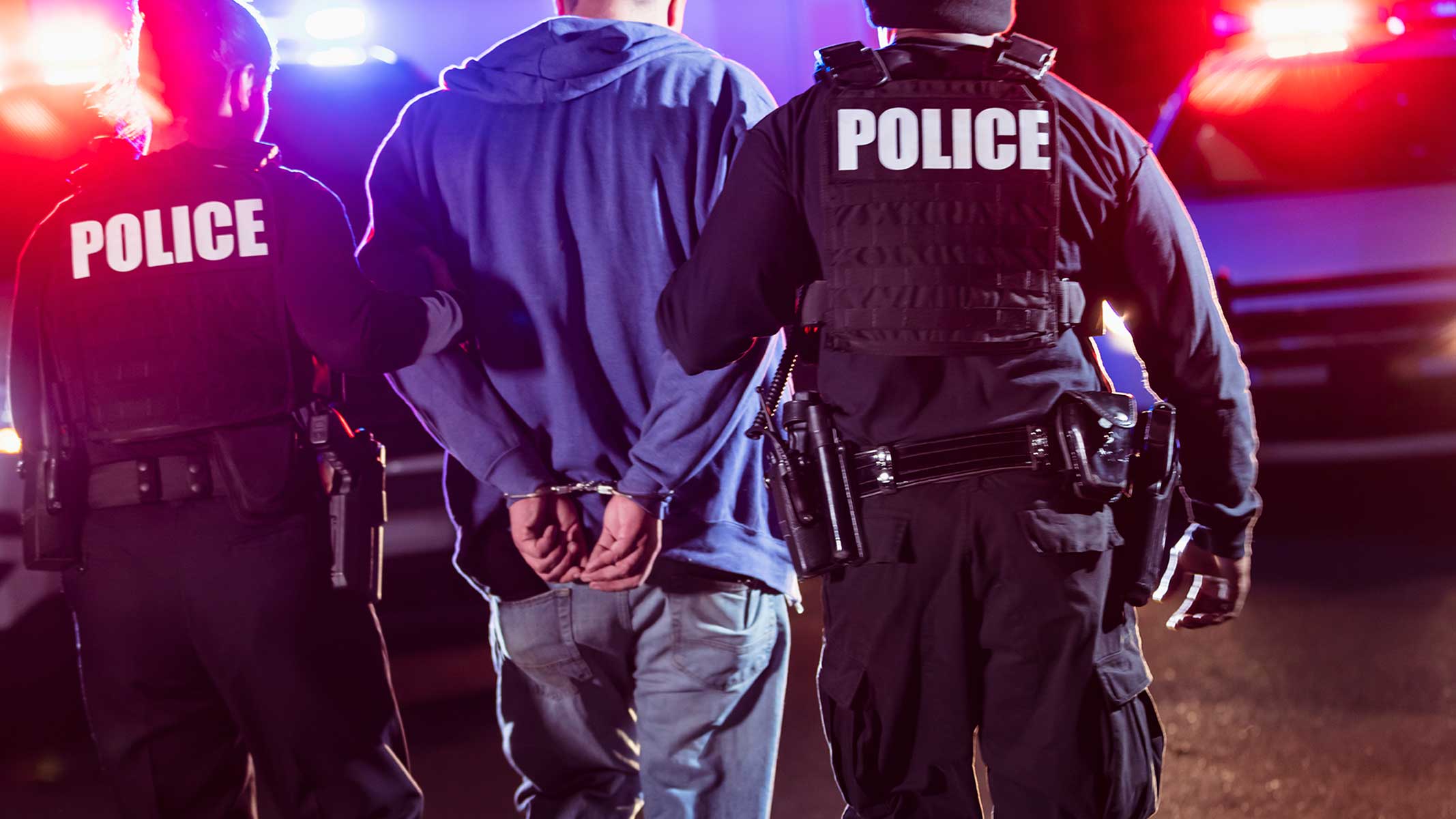
A disturbing escalation in violent criminal activity has transformed once-peaceful neighborhoods into zones of fear and uncertainty, with residents reporting that basic activities like walking to the store or letting children play outside now feel dangerously risky. Crime statistics paint a grim picture of a city in crisis, with assaults, armed robberies, and carjackings reaching levels not seen in decades.
The surge has shattered the sense of security that residents once took for granted. Families describe living behind locked doors and barred windows, afraid to venture out after dark. Parents no longer allow their children to walk to school or play in neighborhood parks that have become hotspots for criminal activity. The psychological impact of this constant vigilance has created a community-wide trauma that extends far beyond the immediate victims of violent crimes.
"We used to sit on our front porch in the evenings and wave to neighbors," said Robert Harrison, a longtime resident who witnessed an armed robbery on his street last week. "Now we're prisoners in our own homes. Three houses on this block have been burglarized in the past month, and there was a shooting two streets over. We're looking at moving, but who wants to buy a house in a war zone?"
The violence has taken a devastating toll on innocent victims caught in the crossfire of gang conflicts and random attacks. Emergency rooms report treating an alarming number of assault victims, many suffering life-altering injuries. Families have been torn apart by senseless acts of violence, leaving grieving relatives demanding answers and action from officials who seem unable to stem the rising tide of criminal activity.
Law enforcement agencies face severe staffing shortages as officers leave the profession in record numbers, demoralized by dangerous working conditions and lack of public support. Response times to emergency calls have increased dramatically, leaving victims waiting in peril while help struggles to arrive. The understaffed police force cannot maintain adequate patrols in high-crime areas, creating opportunities for criminals to operate with virtual impunity.
Business districts that once bustled with activity now stand largely abandoned after sunset. Shop owners who invested their life savings into their establishments watch helplessly as customers stay away, unwilling to risk becoming victims of the violent crime that has become disturbingly common. Several businesses have relocated to safer areas, taking jobs and tax revenue with them and accelerating the economic decline of affected neighborhoods.
Community leaders express anger and frustration at what they perceive as a breakdown of the social contract between government and citizens. Town hall meetings have devolved into angry confrontations as residents demand immediate action to restore order and safety. Many feel abandoned by elected officials who offer sympathy but few concrete solutions to address the root causes of the crime epidemic or provide adequate resources for prevention and enforcement.
The crisis has exposed deep divisions within the community about how to respond. Some advocate for increased police presence and harsher penalties for violent offenders, while others argue that addressing poverty, mental health issues, and lack of opportunity represents the only sustainable path forward. Meanwhile, as debate continues, the violence persists, claiming more victims and leaving residents wondering if their city can recover from the darkness that has descended upon their streets.