Manufacturing Sector Embraces AI-Powered Supply Chain Solutions
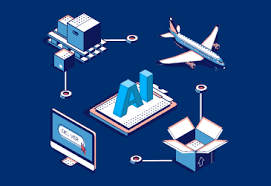
Manufacturing companies are increasingly deploying artificial intelligence systems to optimize supply chain operations, resulting in significant cost reductions and improved delivery reliability. Industry leaders report that AI-driven predictive analytics and automated inventory management are transforming traditional supply chain models, enabling businesses to respond more effectively to market fluctuations and customer demands.
The adoption of AI technology represents a fundamental shift in how manufacturers approach logistics and inventory planning. Advanced algorithms analyze vast amounts of data from multiple sources, identifying patterns and predicting potential disruptions before they impact production schedules. This proactive approach allows companies to maintain optimal inventory levels while minimizing waste and storage costs.
"The implementation of AI-powered supply chain management has been transformative for our operations," explained Jennifer Walsh, Chief Operating Officer at Precision Manufacturing Group. "We've reduced inventory carrying costs by thirty-five percent while simultaneously improving our on-time delivery rate to ninety-eight percent. The system's ability to anticipate demand fluctuations and supplier issues has eliminated the guesswork that previously drove our decision-making."
Small and medium-sized manufacturers are finding that cloud-based AI solutions provide access to sophisticated supply chain optimization tools that were previously available only to large corporations with substantial technology budgets. Software-as-a-service platforms offer scalable solutions that integrate with existing enterprise resource planning systems, allowing businesses to implement AI capabilities without massive capital investments in infrastructure.
The technology has proven particularly valuable in navigating ongoing global supply chain challenges. AI systems monitor geopolitical developments, weather patterns, transportation disruptions, and supplier performance in real-time, automatically adjusting procurement strategies and routing decisions to maintain continuity of operations. This dynamic responsiveness has helped manufacturers avoid costly production delays and maintain customer commitments despite persistent supply chain volatility.
Supply chain professionals report that AI tools are enhancing rather than replacing human expertise. While automated systems handle routine monitoring and optimization tasks, human managers focus on strategic decisions, supplier relationships, and handling exceptional circumstances that require judgment and negotiation skills. This collaborative approach between technology and human expertise is creating more efficient and resilient supply chain operations.
Environmental sustainability has emerged as an additional benefit of AI-optimized supply chains. Improved route planning and inventory management reduce transportation requirements and minimize excess production, resulting in lower carbon emissions and reduced waste. Companies are discovering that efficiency gains from AI implementation align with corporate sustainability goals, creating both economic and environmental value.
As AI technology continues to evolve, manufacturers anticipate even more sophisticated capabilities in supply chain management. Machine learning models improve continuously as they process more data, becoming increasingly accurate in predictions and recommendations. Industry analysts project that widespread AI adoption in manufacturing supply chains will accelerate over the next several years as companies recognize the competitive advantages these systems provide in an increasingly complex global marketplace.