Market Volatility Prompts Investors to Reassess Portfolio Strategies
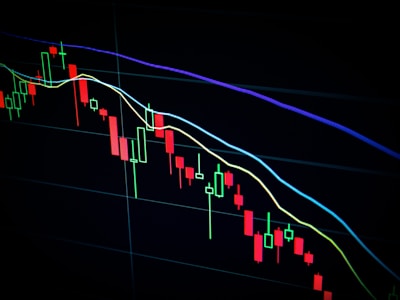
Recent market turbulence has prompted individual investors to reevaluate their investment strategies and risk tolerance as economic uncertainty continues to impact portfolio performance. Financial advisors report increased client inquiries about portfolio rebalancing, asset allocation adjustments, and strategies for navigating volatile market conditions while maintaining long-term investment objectives.
The past year has challenged conventional investment wisdom as traditional diversification approaches have struggled to provide the downside protection investors expected. Correlations between asset classes that historically moved independently have converged during periods of market stress, limiting the effectiveness of standard portfolio construction techniques. This environment has forced investors and advisors to reconsider fundamental assumptions about risk management and portfolio design.
"Market volatility tests investors' discipline and commitment to their long-term plans," noted Michael Bradford, a certified financial planner with extensive experience guiding clients through market cycles. "The investors who succeed are those who maintain perspective, avoid emotional decision-making, and use market downturns as opportunities to rebalance portfolios and potentially acquire quality investments at more attractive valuations. Panic selling during volatility typically proves costly over time."
Financial experts emphasize the importance of maintaining appropriate asset allocation aligned with individual time horizons, risk tolerance, and financial goals. Younger investors with decades until retirement can typically weather market volatility and benefit from dollar-cost averaging into equity positions during market declines. Conversely, investors approaching or in retirement may need more conservative allocations that prioritize capital preservation and income generation over growth.
The current environment has increased interest in alternative investment strategies and assets that may provide diversification benefits beyond traditional stock and bond portfolios. Real estate investment trusts, commodities, and alternative lending platforms represent options investors are exploring to enhance portfolio resilience. However, financial advisors caution that alternative investments often involve complexity, reduced liquidity, and unique risks that require careful evaluation before incorporation into portfolios.
Market volatility also highlights the value of professional financial guidance for investors lacking expertise or emotional discipline to navigate turbulent conditions independently. Fee-only financial advisors who act as fiduciaries provide objective advice aligned with client interests rather than product sales. These professionals help investors develop comprehensive financial plans, maintain appropriate asset allocations, and avoid common behavioral mistakes that undermine investment success.
Tax-loss harvesting represents a strategy investors can employ during market downturns to generate value from portfolio losses. Selling investments trading below their purchase prices realizes capital losses that can offset capital gains elsewhere in portfolios or reduce ordinary income by limited amounts. The proceeds can be reinvested in similar but not identical securities, maintaining market exposure while capturing tax benefits. This technique requires careful execution to comply with tax regulations while serving intended purposes.
As market conditions evolve, financial planning experts remind investors that successful investing requires patience, discipline, and focus on factors within their control. Regular portfolio rebalancing, consistent saving, appropriate diversification, and tax-efficient investment strategies contribute to long-term success regardless of short-term market movements. Investors who maintain these fundamentals and resist emotional reactions to market volatility position themselves advantageously to achieve their financial objectives over time despite inevitable periods of market turbulence and uncertainty.